
Our guides
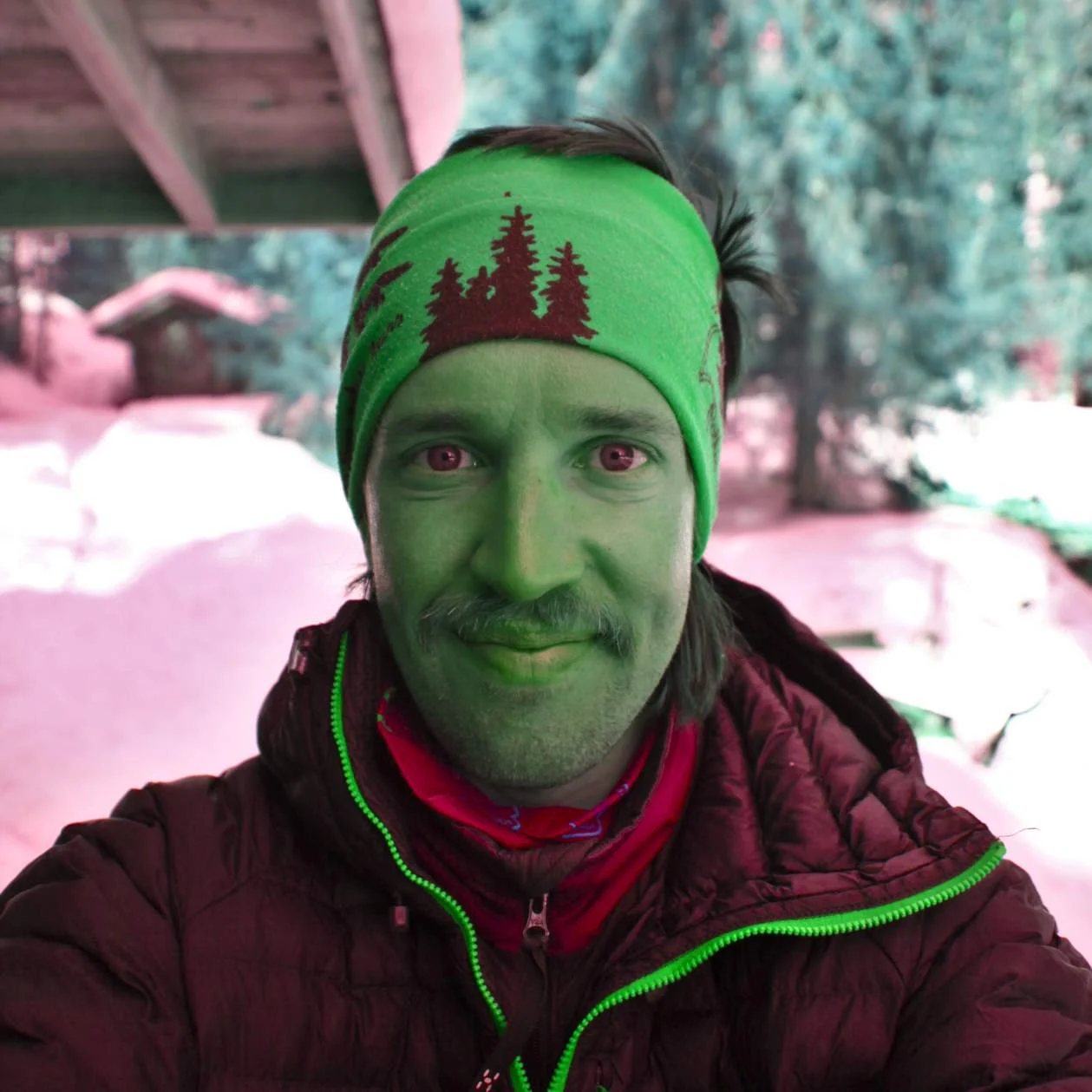
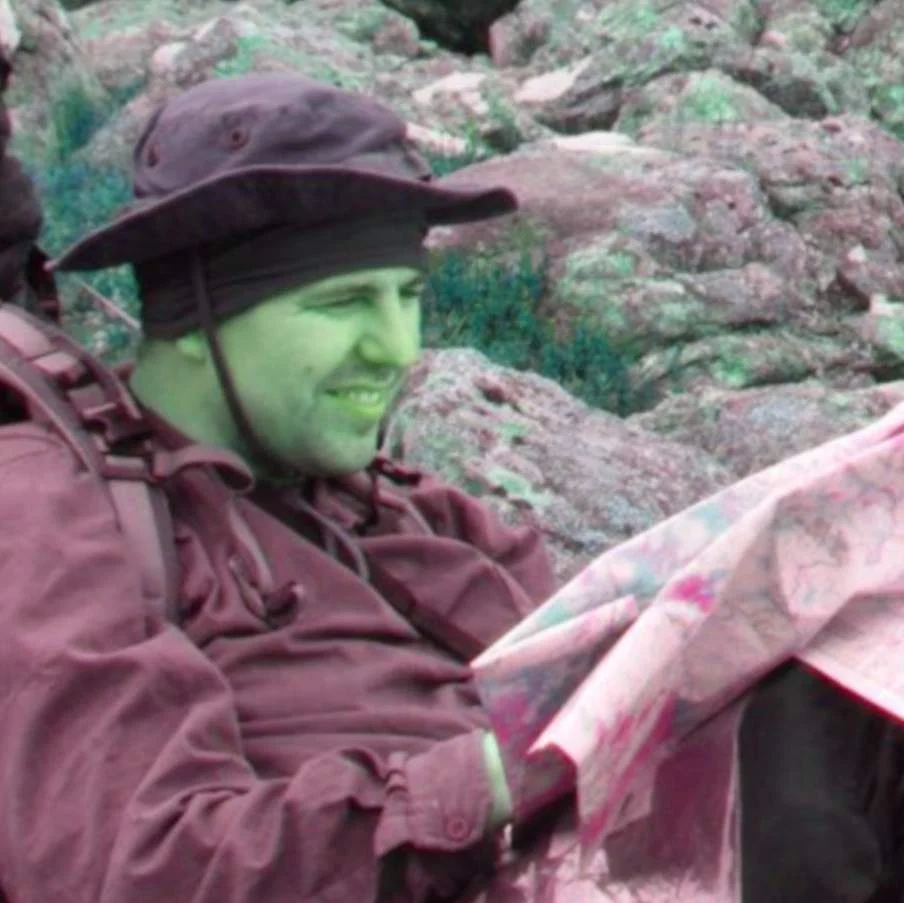
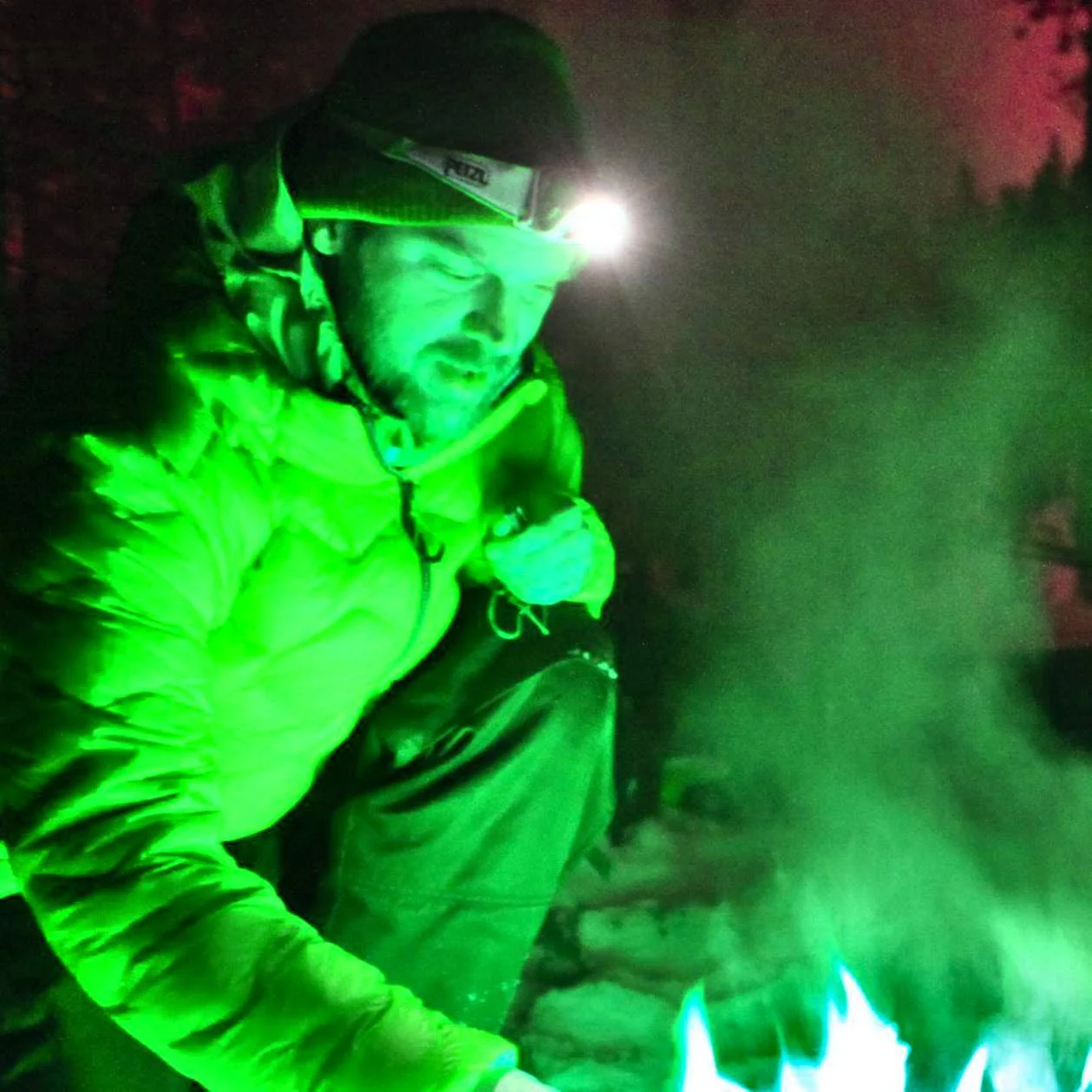
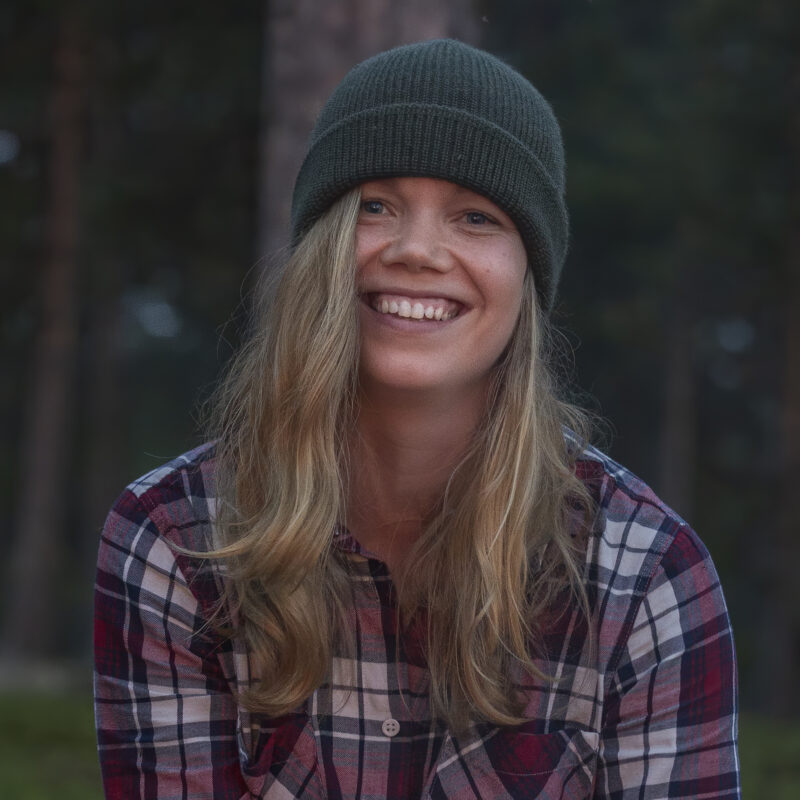
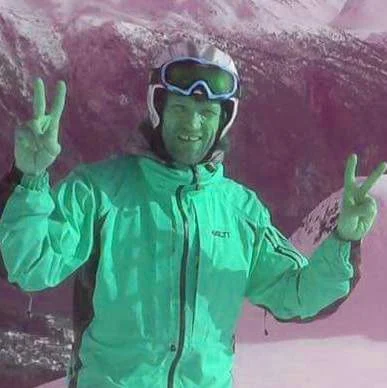
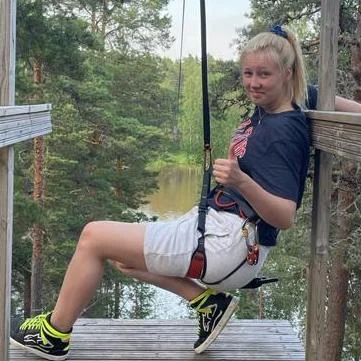
Here are the wilderness guides of Polku We find a lot of joy, peace and adventures from the nature. We try to help people joining our adventures to achieve the same.
We always place strong emphasis on respecting nature in everything we do.
Avoiding unnecessary consumption and travel, as well as minimizing environmental impact, are fundamental principles for Polku.
Most importantly, however, we value our ability to influence the people who join our trips. Perhaps the experiences nature offers and deeper understanding of its diversity can inspire people to make more conscious choices in everyday life.

Partners
Huttra Survival Training
Huttra Survival Training is a network of experienced Swedish instructors and wilderness guides offering both basic and advanced courses in survival skills. Huttra develops its training with a curious, experience-based approach and by applying new methods, so their practices may at times differ from traditional survival literature.
Most of Huttra’s instructors also teach with Svenska Överlevnadssällskapet. Read more on Huttra’s website (in Swedish).
Outdoor Artisans
Outdoor Artisans in Pyhä is a company specializing in Arctic adventures and known for its expertise in cold-water activities.
Packraft and SUP adventures, ice safety courses, ice floating, and fishing guiding are among Outdoor Artisans’ core areas of expertise. Good food and relaxing sauna experiences are also, of course, part of the experience.

Metsähallitus
Polku Nature Tours on Metsähallituksen matkailuyhteistyökumppani.
Values
At Polku Nature Tours, we believe that humans can find a deeper connection to nature by learning more about the surrounding ecosystem. Our path to this deeper understanding is through the sustainable use of natural materials and food. By learning about traditional ways of utilizing nature, we gain insight into how many resources each of our activities requires.
Clean, biodiverse nature belongs to no one.
We are part of it, and that is why we strive to ensure that whenever we move through forests, fells, or waterways, we leave no trace.
Polku Nature Tours and environmental responsibility
We strive to consider the environmental impact of all our activities and to minimize it as much as possible.
To support a cleaner environment, we take the following actions, for example:
The majority of our emissions come from our customers’ and employees’ travel to event locations. We encourage our customers to primarily use public transportation and carpooling. We aim to plan the locations and schedules of the programs so that they can be easily attended without a car. Polku Nature Tours’ emissions from business-related driving have averaged 320 kilos of carbon dioxide per year. We have offset this emission by investing in the Carbon Exchange. We own 12 acres of peatland, the restoration of which prevents at least 333 kg of carbon dioxide from being released into the atmosphere per year. We strive to avoid flying at all costs.
Nature tourism is a rewarding business as it allows people to enjoy nature with minimal equipment. We aim to create experiences that can be delivered comfortably even with a limited amount of gear. That said, certain equipment can enhance the overall experience, and it is often more sensible for us as a company to provide gear rather than require each participant to purchase their own.
When acquiring outdoor equipment, we prioritize long-lasting, versatile, and durable products, and choose the less environmentally impactful option within each category. Although tax considerations often make buying new equipment more advantageous for a company, we source most of our gear second-hand.
We also encourage our customers to share and rent equipment instead of owning it individually.
If a campfire meal or outdoor meal is included in Polku’s activities, we provide vegetarian food by default. At the customer’s request, sustainably caught fish or game can also be offered.
Polku encourages its customers to minimize their environmental impact on their own trips by considering the emissions of their chosen mode of travel, taking a critical approach to purchasing new gear, minimizing wear on the terrain, and respecting surrounding nature, fellow hikers, and the value of the landscape.